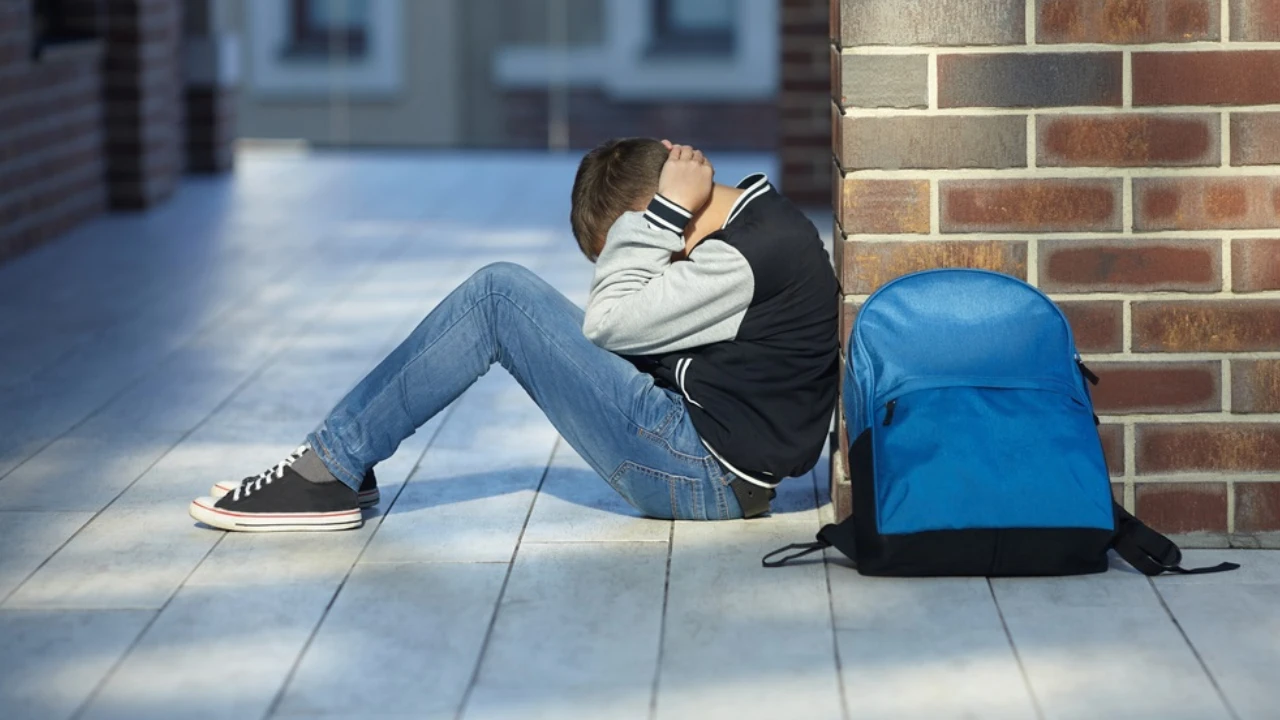
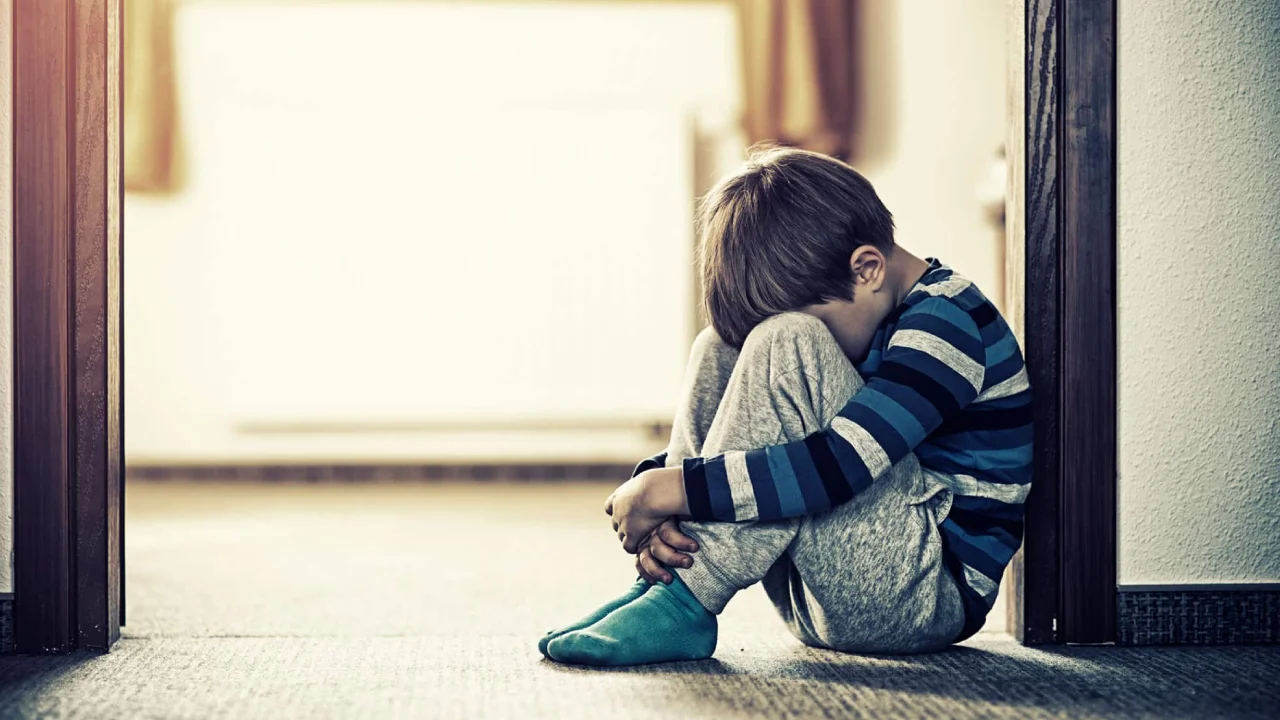
Childhood abuse includes actions by an adult or another person in a position of power that harm a child or create a serious risk of harm. Physical and emotional maltreatment, sexual abuse, neglect and exploitation all fall within this broad area. Abuse can occur in a family, school, care setting, community or digital environment. The person responsible may be somebody the child knows and trusts.
This is not merely a debate about imperfect parenting. It is first a safeguarding issue. No single sign can establish who did what, and adults should avoid attempting their own investigation. At the same time, a serious concern should not be dismissed. The adult’s role is to listen calmly, assess immediate safety and contact the appropriate child-protection channels where they live.
What Forms Can Childhood Abuse Take?
Physical abuse involves deliberately causing physical harm, including hitting, burning, shaking, choking, poisoning or otherwise injuring a child. Describing physical punishment as discipline does not remove the fear or injury it creates.
Emotional abuse may involve persistent humiliation, threats, intimidation, rejection, isolation, scapegoating or demands that are seriously inappropriate for the child’s development. One thoughtless remark is not identical to an ongoing harmful pattern, although both may require acknowledgment and repair.
Sexual abuse involves engaging a child in sexual activity that the child cannot understand, is not developmentally prepared for or cannot freely consent to. It includes contact acts and non-contact forms such as showing sexual material, requesting or producing images, online grooming and sexual exploitation.
Neglect is a persistent failure to meet basic needs for food, shelter, healthcare, education, supervision, safety or emotional care. Poverty alone is not neglect. A family being unable to obtain resources should not automatically be treated in the same way as a caregiver failing to use available resources to meet a child’s needs. Access to family and community support is part of safeguarding.
Abuse can also involve forcing a child to work, commit offences, beg or participate in commercial exploitation. Different forms can overlap. A child exposed to domestic violence, for example, may experience fear and emotional harm even when physical violence is not directed at them.
Which Signs Deserve Attention?
There is no single definitive sign of abuse. Some children show no obvious change, while many warning signs may also relate to illness, grief, peer difficulties or other stress. The following deserve careful attention, particularly when they are sudden, unexplained or occur together:
- Injuries that do not fit the explanation or are at different stages of healing
- Intense fear of a particular person or place
- Sudden developmental regression, bedwetting or changes in speech
- Sleep disturbance, nightmares, startling easily or remaining constantly alert
- A decline in school performance, absence or social withdrawal
- Sexual knowledge or behaviour that is markedly inappropriate for age
- Extreme compliance, freezing, angry outbursts or aggression
- Persistent hunger, unsuitable clothing or untreated health needs
- Self-blame, worthlessness, hopelessness or references to self-harm
A checklist is not a diagnostic tool. Pressuring a child to display evidence or repeatedly inspecting their body can create additional distress. When concern exists, assessment belongs with appropriate healthcare, mental-health and child-protection professionals.
Adults should also consider the context without using it to excuse harm. Disability, communication differences and dependence on care may make it harder for a child to disclose. Family stress or caregiver illness may indicate a need for greater support, but the child’s safety remains central.
How Should You Respond When a Child Discloses Abuse?
Children do not always disclose in a direct, complete account. They may communicate through a story, play, behavioural change or pieces of information over time. A delayed disclosure or variation in some details does not by itself show that an account is false. Fear, age, language development and traumatic stress can affect communication and memory.
Try to remain calm when the child speaks. Helpful statements include “I believe you,” “Telling me was important,” “This is not your fault,” and “I will get help to keep you safe.” Do not make the child manage your shock or distress. Do not confront the alleged person in front of the child.
Avoid leading questions. “What happened next?” is safer than “They hit you, didn’t they?” Obtain only the information required for immediate safety and reporting. Write down the child’s words as accurately as possible, including the date and context, rather than adding interpretations. Do not ask the child to repeat the story to numerous adults.
Do not promise complete secrecy. “I will only share this with people who need to help keep you safe” is more honest. Explain the next step in language the child can understand. When there is immediate danger, serious injury or suspected sexual abuse, local emergency services, healthcare and child-protection authorities should be involved without delay.
If the child retracts the disclosure, the concern should still be handled through appropriate safeguarding procedures. Children may take words back because of fear, loyalty, threats or concern about what will happen to their family. Adults should not force a new statement or treat retraction as proof that no risk exists.
What Are the Psychological Effects?
Childhood abuse can affect a child’s sense of safety, body, relationships and self. Anxiety, low mood, shame, difficulty concentrating, anger, dissociation and boundary difficulties may occur. Effects vary considerably. The type and duration of abuse, the child’s age, the relationship with the person responsible, the presence of a protective adult and the quality of later support all matter.
Not every child who experiences adversity develops a lasting mental-health condition. This does not minimise the harm. It shows that recovery and resilience are possible. Early safety, being believed and having reliable support can be protective.
For a closer look at needs that are repeatedly unseen rather than acts directed at a child, see childhood emotional neglect. The article on sexual abuse and trauma provides a more specific framework for sexual violence and its effects. Experiences may overlap, but each person’s history and needs remain individual.
Recognising Past Abuse in Adulthood
Some people name a childhood experience as abuse only years later. Questioning behaviour that was normalised in a family can bring guilt, anger, grief and confusion. Incomplete memories or mixed feelings are not unusual. Recovery does not require forcing every detail into awareness.
A trauma-informed mental-health professional can begin with present symptoms and safety. Therapy should not pressure someone to describe material before they are ready. Emotional regulation, body awareness, boundaries and safer relationships can be addressed gradually. Persistent nightmares, avoidance, re-experiencing and hyperarousal may warrant assessment for post-traumatic stress symptoms.
An adult survivor may also have affection or loyalty towards the person who caused harm. Conflicting feelings do not make the abuse acceptable or the survivor responsible. Decisions about contact and boundaries can be considered according to present safety and personal circumstances rather than outside pressure to forgive or confront.
Protective Adults and Prevention
Children benefit from learning about body boundaries, safe and unsafe contact, privacy and the right to say no. They should know several adults they can approach. Digital safety discussions should include image requests, secrets, grooming and how to report an uncomfortable interaction.
Prevention, however, cannot be placed on the child. Questions such as “Why did you not run?” or “Why did you wait to tell?” ignore the power imbalance. Adults and institutions are responsible for establishing safe environments.
Organisations need clear conduct standards, trained staff, accessible reporting channels and written procedures for concerns. No adult should have unnecessary secret or isolated access to a child. When a concern is raised, protecting an institution’s reputation must never take priority over a child’s safety.
Childhood abuse is serious and requires specialist safeguarding responses. When concerned, do not conduct an amateur interrogation. Attend to safety, take the child’s communication seriously, document information accurately and use local official protection channels. This article provides general education and does not replace emergency assistance, medical assessment, legal advice or a formal child-protection investigation.