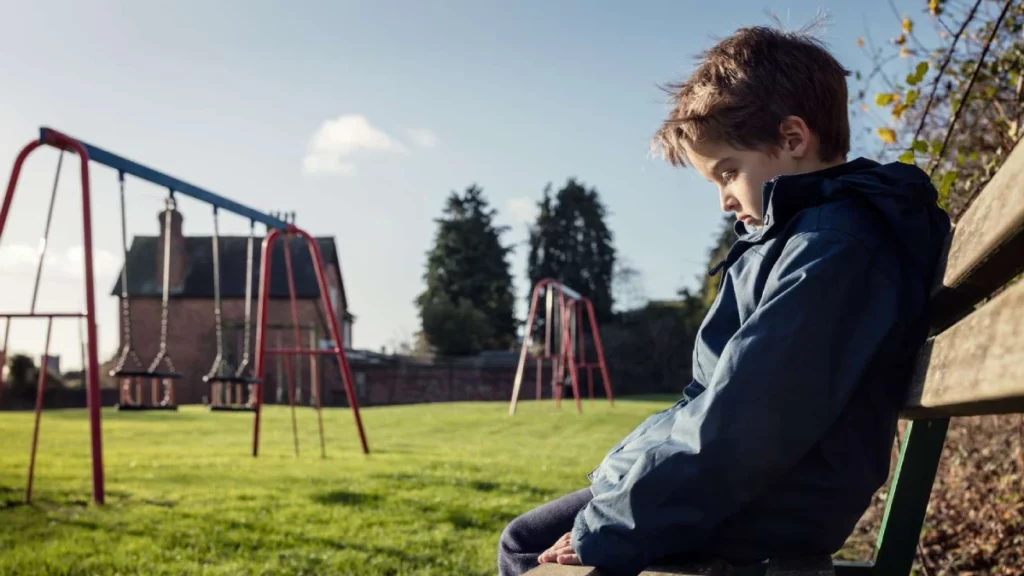

Loneliness is the felt gap between the social connection a person needs and the connection they experience. It is not the same as being alone. Some people enjoy time by themselves, while others feel unseen in a busy home, relationship or workplace. Loneliness therefore relates less to the number of people nearby than to whether relationships feel safe, mutual and meaningful.
Loneliness is a human emotion that most people experience at times. Moving to a new city, graduating, becoming a parent, retiring or losing a relationship can change the structure of connection. When loneliness persists, it may affect sleep, motivation, mood and everyday functioning. It is not a character flaw or a psychiatric diagnosis on its own.
Loneliness Versus Social Isolation
Social isolation describes an objectively limited amount of social contact. Loneliness is subjective. Someone with a small number of close relationships may not feel lonely, while somebody with many acquaintances may lack emotional intimacy. The two conditions can overlap, but they are not interchangeable.
This distinction matters for finding an appropriate response. Adding more people does not necessarily meet the need to be emotionally understood. Likewise, living alone does not automatically mean a person’s social life is inadequate. It helps to identify the kind of connection that is missing: ordinary conversation, a shared activity, emotional disclosure, physical closeness, group belonging or practical support.
Solitude can be chosen and restorative. Loneliness feels unwanted. A person may alternate between both experiences, enjoying a quiet afternoon but feeling disconnected over a longer weekend. There is no universal amount of contact that everyone should want.
Why Can Loneliness Increase in Adulthood?
During childhood and education, repeated contact with the same people happens naturally. Adult friendship requires more planning. Work schedules, caring responsibilities, moving, finances and health can make meetings difficult. Many people want connection while waiting for somebody else to make the first move.
Life transitions also reshape networks. Friends marry, become parents or relocate, changing the rhythm of established closeness. Loneliness may feel especially sharp after a close bond ends, as discussed in friendship breakups.
Some adults avoid social situations because they fear rejection or criticism. Withdrawal reduces anxiety immediately but also limits opportunities for a different experience. When speaking in groups, being watched and being evaluated cause significant fear, social anxiety may contribute to the loneliness cycle.
Digital spaces can provide real connection, particularly for people who face geographic, health or identity-related barriers. They can also intensify comparison. Seeing selected images of friendship groups, celebrations and trips may create the thought, “Everybody has a circle except me.” This can strengthen fear of missing out.
How Does Loneliness Become a Cycle?
After prolonged loneliness, social cues may be interpreted as more threatening. A delayed message looks like indifference, a brief conversation feels like rejection and a missed invitation seems like deliberate exclusion. These interpretations encourage withdrawal, and withdrawal reduces the chance of connection.
A person may protect themselves by saying, “I do not need anyone,” or requiring constant proof that another person cares. These strategies appear to reduce the risk of hurt but can also block the small moments of openness through which closeness develops.
Loneliness can lower energy and motivation, making plans harder to initiate. “I need to feel better before I see people” is understandable. Yet the feeling may not always change before connection; it may shift gradually as safe contact becomes more regular.
Self-criticism adds another layer. Somebody who believes loneliness proves that they are unlikable may enter a conversation monitoring every word. Their attention moves away from curiosity and towards performance. This makes an ordinary interaction exhausting and reinforces avoidance.
Feeling Lonely Around Other People
Loneliness inside a relationship or family can be confusing. Other people are physically present, but you cannot share your thoughts, do not feel listened to or are noticed only through responsibilities. The issue is not absence of contact but its quality.
Making a need specific may improve communication. Instead of “You never understand me,” try “Today I need you to listen for ten minutes without offering a solution.” This gives the other person actionable information. If the relationship consistently involves contempt, fear or control, however, loneliness may not be solved by communicating more skilfully.
Some social environments allow only a narrow version of a person. They may be welcomed when entertaining or helpful but not when tired, uncertain or in need. Meaningful connection involves some room for a fuller self, while still respecting the other person’s boundaries and capacity.
What Can Help With Loneliness?
Identify the type of connection you need. Do you need to meet new people, deepen an existing relationship or belong to a regular community? “I should be more social” is too broad. “Attend one shared activity each week” is more practical.
Choose repeated environments. Closeness usually develops through repeated ordinary contact rather than one exceptional conversation. Classes, sport, volunteering, professional groups or neighbourhood activities create recurrence. A shared interest also provides a natural starting point for conversation.
Make small, specific invitations. Replace “We should meet sometime” with a low-pressure proposal: “Would you like coffee during lunch on Wednesday?” A no does not always indicate rejection; timing may simply be wrong. Small invitations to more than one person prevent all hope being placed in a single relationship.
Reconsider existing weak ties. An acquaintance can become more meaningful through regular contact. You might send a brief message to somebody you have lost touch with. Not every relationship needs to become a best friendship. Different connections can meet different needs.
Use digital contact intentionally. Instead of passively observing other lives, send a direct message, contribute to a smaller online group or arrange an in-person activity. Notice how you feel after use rather than judging connection only by screen time. Online friendship can be genuine, though it should also have boundaries that protect privacy and wellbeing.
Practise graduated openness. Intimacy does not require revealing everything at once. Share a small personal thought and observe whether the other person responds with care and reciprocity. Trust can be built through repeated, proportionate exchanges.
Do not turn time alone into punishment. Preparing a meal, going outside or doing something meaningful by yourself does not mean giving up on social needs. Believing that care is deserved only when somebody else is present can make loneliness heavier.
When Might Professional Support Help?
Mental-health support may be useful when loneliness has persisted for a long time, social situations are avoided because of intense fear, depression or panic is present, or the same painful pattern recurs across relationships. Therapy cannot supply a ready-made friendship. It can help clarify the thoughts, fear, grief and relational patterns that interfere with connection.
If you are thinking about harming yourself or feel that life is not worth continuing, seek urgent help, do not remain alone and contact the emergency services where you live. Loneliness may tell you that reaching out is pointless, but that thought is itself an important sign that support is needed.
The goal is not to make life as crowded as possible. A few safe, mutual and sustainable relationships may be more nourishing than many superficial contacts. Connection takes time, repetition and a manageable degree of vulnerability. This article provides general education and does not replace individual therapy.