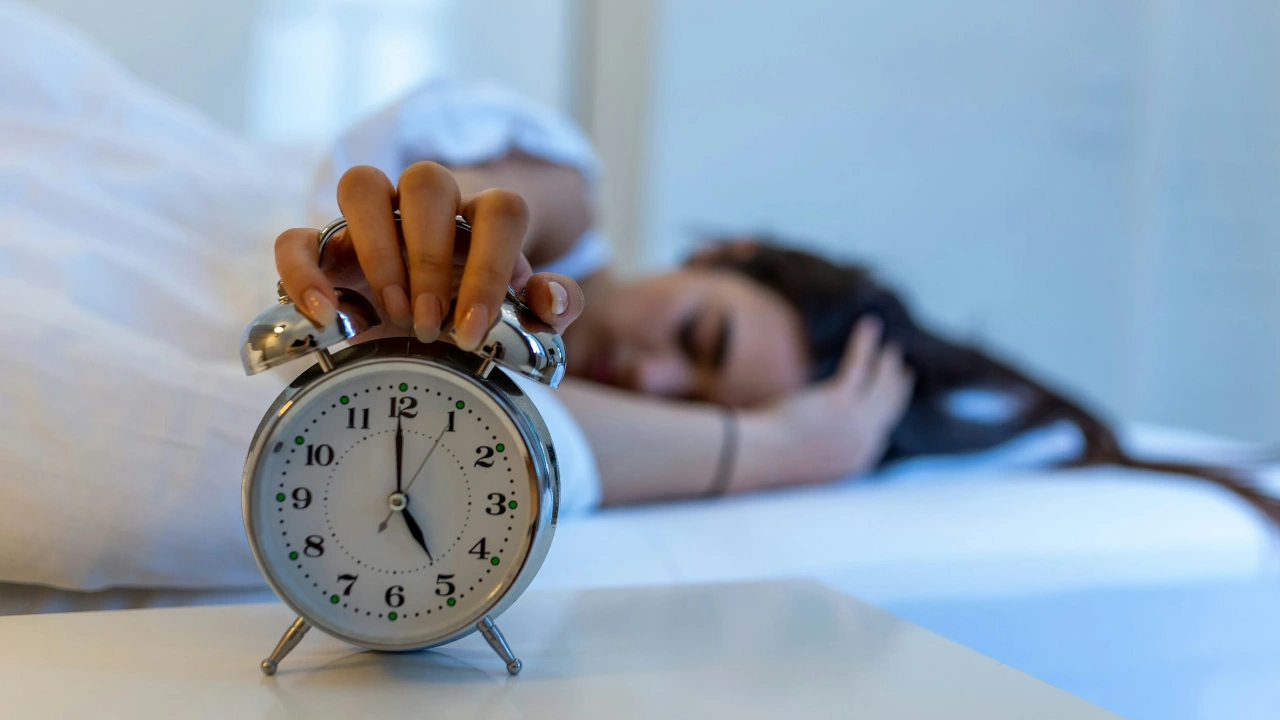
Morning anxiety is an everyday term for intense worry, uneasiness or physical tension that appears on waking or during the first hours of the day. It is not a diagnosis by itself. Some people open their eyes and immediately begin reviewing everything they need to do. Others experience a racing heart, nausea or a sense of danger before any clear thought has formed.
Feeling worse in the morning does not mean the entire day will remain equally difficult. Symptoms may decrease after getting out of bed, eating or entering a familiar routine. For other people, tension that begins in the morning continues throughout the day. The time of day is only one part of the picture; frequency, duration, impairment and the person’s broader circumstances also matter.
Morning anxiety is not a failure of willpower or proof that someone has started the day with the wrong attitude. Sleep quality, the body’s stress systems, habits, anticipated demands and mental health can influence one another. Separating these factors helps a person respond with practical care rather than blame.
What does morning anxiety feel like?
Morning anxiety can involve cognitive, emotional and physical symptoms. The mind may move rapidly towards tasks, possible problems or conversations that have not happened. Thoughts such as “How will I get through today?”, “What if something goes wrong?” or “I cannot cope with feeling like this again” may repeat. A person may delay leaving bed, only to find that remaining there gives worry more room to expand.
Physical signs may include a fast heartbeat, chest tightness, shallow breathing, sweating, trembling, muscle tension, nausea and changes in bowel activity. Dry mouth, low appetite and headache can also occur. Although anxiety can produce these sensations, new, severe or unexplained physical symptoms should not automatically be assumed to be psychological.
Emotionally, a person may feel irritable, tearful, empty, reluctant or strongly driven to avoid the day. Some notice that workdays are particularly difficult while days off are easier. Others experience the same pattern at weekends. Observing this difference can offer useful information about triggers without providing a diagnosis on its own.
What causes morning anxiety?
There is no single cause. The body makes natural changes as it prepares for waking, including changes in hormones that support alertness. In someone who is already under considerable stress, normal activation may be experienced as a stronger sense of movement or alarm. It is too simplistic, however, to attribute morning anxiety to one hormone. Psychological, behavioural, medical and environmental factors may all contribute.
Anticipated demands are common triggers. Workload, school, caregiving, financial pressure or a difficult relationship can become an immediate threat list as soon as the mind wakes. A person with anticipatory anxiety may be responding less to the actual day than to imagined possibilities within it.
Sleep quality also matters. Frequent waking, late-night screen use, irregular sleep times, nightmares, snoring and insufficient sleep can interfere with recovery. When someone wakes exhausted, their capacity to meet ordinary demands may feel lower. Tasks that would normally seem manageable can then be interpreted as threats.
Caffeine, nicotine, alcohol and some medications may influence symptoms. Alcohol can initially feel sedating but disrupt sleep later in the night. A large amount of caffeine on an empty stomach may intensify palpitations and shaking that resemble or amplify anxiety. Medication changes should be discussed with an appropriate healthcare professional rather than made independently.
Is morning anxiety linked to an anxiety disorder?
Morning anxiety can occur during temporary stress, but it can also appear alongside mental health conditions. People with generalised anxiety disorder may wake with a heavy mental load because worry extends across several areas of life and feels difficult to control. Someone who experiences panic may interpret a small bodily change as evidence that an attack is about to begin.
Some people with depression experience greater heaviness, hopelessness or difficulty moving in the morning. After trauma, waking may be affected by nightmares, disrupted safety or rapid reorientation to current circumstances. Obsessive thoughts can also lead to mental checking rituals that begin immediately after waking.
These associations do not mean that everyone with morning anxiety has a disorder. Diagnosis is never based on one symptom. A clinician considers duration, the presence of symptoms in other settings, avoidance, distress, physical health and the degree to which daily life is affected.
The relationship between sleep and morning anxiety
Anxiety can disrupt sleep, and inadequate sleep can intensify anxiety. Someone who lies awake anticipating the next day may wake with less energy. Fatigue can then reduce emotional regulation and tolerance of uncertainty. Eventually, the prediction “I will wake up feeling terrible again” creates additional pressure before sleep.
Sleep disorders involve more than difficulty falling asleep. Frequent waking, waking much earlier than intended, unrefreshing sleep and excessive daytime sleepiness are also relevant. Regular loud snoring, observed pauses in breathing or recurrent morning headaches deserve medical attention.
Sleep hygiene can be useful, but it is not a complete answer to every sleep problem. Consistent timing, a dark room and less late-night phone use may support rest. Persistent anxiety, depression, trauma symptoms or a physical condition still need their own assessment and treatment.
How can you manage morning anxiety?
Do not judge the whole day in the first minute
The intensity present on waking is not evidence of how the entire day will unfold. Replace “Today is going to be impossible” with a more temporary description: “My body is in a high state of alarm right now, and that state can change.” This is not forced positivity. It prevents a current sensation from becoming a certain prediction.
Bring the body into the day gradually
Open the curtains, place both feet on the floor, wash your face and try a few minutes of gentle movement. Intense exercise does not suit everyone, especially during strong physical anxiety. Stretching or a short walk may be enough to help the body interpret its energy as movement rather than danger.
Regulate breathing without forcing it
Taking repeated very deep breaths can increase light-headedness. Use a comfortable breath and allow the exhalation to become slightly longer without straining. If focusing on breathing makes anxiety worse, direct attention outwards by feeling your feet against the floor or naming five objects in the room.
Avoid making the phone your first stimulus
News, email and messages can expose the mind to many demands immediately after waking. When possible, reserve the first fifteen or twenty minutes for basic preparation. If your responsibilities require emergency availability, limiting notifications to essential people may be more realistic than switching the phone off entirely.
Reduce morning decisions
Preparing clothes, breakfast options or the first work task the night before can lower cognitive load. This should not become a rigid attempt to engineer a perfect morning. The aim is simply to remove unnecessary choices from the period when anxiety is strongest.
Keep a brief pattern record
For a few weeks, note the time, approximate sleep duration, first thought, physical symptoms, caffeine use and when anxiety eased. Keep entries short. The record may reveal links with workdays, poor sleep or particular responsibilities. If tracking turns into constant symptom monitoring, reduce its frequency.
Make the first task smaller
Instead of trying to get through the entire day at once, choose the first concrete action: take a shower, prepare food or open the computer and answer one message. A small step is not an inadequate response. It makes movement possible when the nervous system is urging complete avoidance.
Include something predictable and neutral
A familiar breakfast, the same short route or a simple playlist can reduce the number of unknowns at the beginning of the day. The activity does not need to create happiness. A neutral and repeatable cue may be enough to signal that the morning can proceed one stage at a time.
What can maintain the morning anxiety cycle?
Remaining in bed for a long time while fighting anxiety may feel safer in the moment, but it can teach the mind to associate the bed with worry. Cancelling the entire day provides short-term relief and may strengthen avoidance. When it is safe and possible, reducing demands and returning gradually to routine supports different learning.
Repeated reassurance seeking, checking the body and searching online for explanations can temporarily reduce uncertainty. The relief is brief, however, and the person may become increasingly dependent on the next check. Taking a small action without waiting for anxiety to disappear can build confidence in the ability to cope.
Harsh self-criticism also makes the cycle heavier. “Everyone else can start the day; what is wrong with me?” adds shame to the original anxiety. There is a middle position between dismissing distress and declaring oneself helpless: a person can acknowledge that the experience is genuinely difficult while still choosing the next manageable step.
Trying to create a flawless routine can become another source of pressure. Missing meditation, eating a different breakfast or waking later than intended does not mean the day has failed. Flexible routines are generally more sustainable than rules that turn every variation into evidence of losing control.
When should you seek professional support?
Consider speaking with a mental health professional when morning anxiety occurs frequently for several weeks, prevents attendance at work or school, leads to significant avoidance or continues through much of the day. Marked changes in sleep, appetite and energy, panic attacks, depressed mood or increasing substance use are additional reasons not to delay support.
New severe palpitations, chest pain, fainting, breathing difficulty or other unexplained physical symptoms require medical assessment. Believing that anxiety may be involved does not rule out physical causes.
Psychotherapy can examine automatic morning thoughts, avoidance patterns, current demands and sleep together. Medical assessment can be added when appropriate. The goal does not have to be waking without any anxiety every day. A more realistic goal is to build a flexible response that prevents morning symptoms from taking control of the entire day.